The owner’s manual is not meant to sit unused; it contains practical information that can help you get the most from your energy-efficient washer. Although this may seem obvious, many people never read the manual for their washer. Trying to figure things out without it may feel easier, but you could overlook helpful advice that saves money and energy.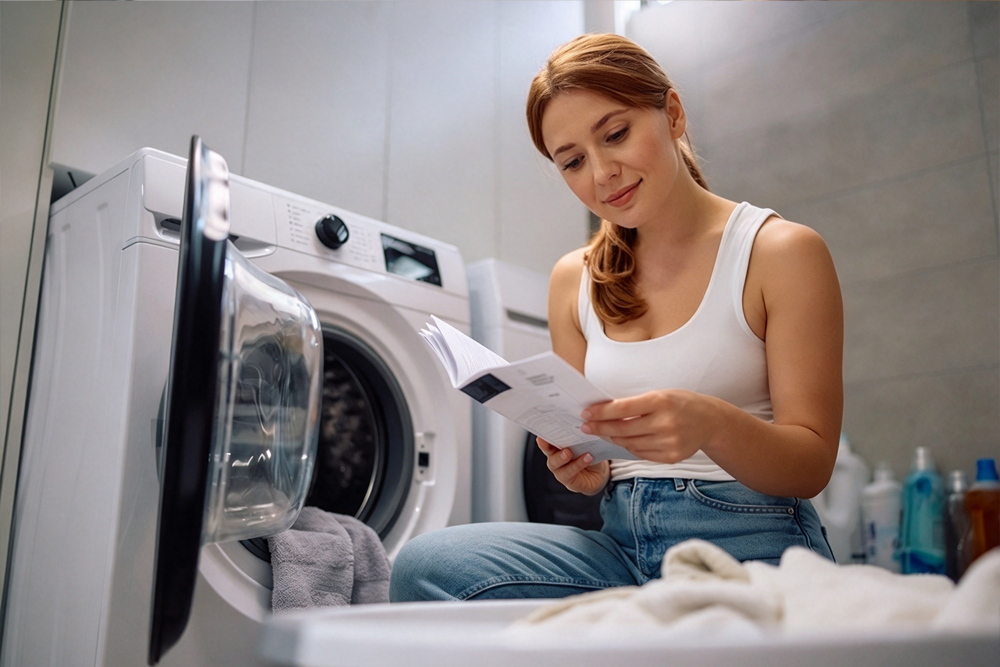
Correct installation is essential for efficient washer operation. If the drain hose is not positioned correctly, the washer may not drain adequately, leaving clothes excessively damp. Damp clothing requires longer drying times, which increases energy consumption and raises utility costs.
Improper leveling can also cause problems during the spin cycle, leading to greater energy use and potentially damaging washer components. It is better to avoid a repair visit simply because one leg was not adjusted correctly. Therefore, follow the manual or installation guide to set up the washer properly from the beginning.
Here is a brief checklist to confirm that your washer is stable and level:
· Use a level: Check the washer’s levelness from front to back and side to side. Adjust the leveling legs as needed to achieve the correct position.
· Check stability: Make sure all four leveling legs rest firmly on the floor. Gently rock the washer to see whether it moves. If it does, adjust the legs until it is stable.
· Recheck leveling: After making adjustments, verify once more that the washer is level and stable.
When your washer is installed properly, it will clean clothes more efficiently and reduce energy use in the process.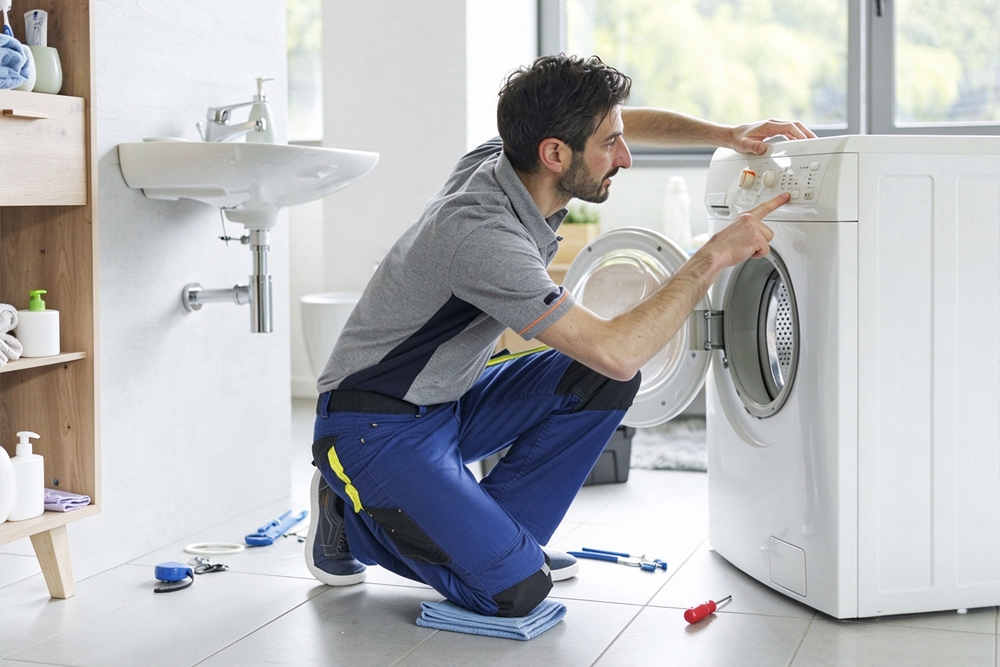
Modern washing machines offer a wide variety of cycles and settings, and choosing the appropriate ones can significantly affect water and energy consumption. The following suggestions can help you get the most from your washer’s features.
· Use cold water: Cold water is sufficient for most loads unless clothes are heavily soiled. It also reduces the washer’s energy use by half. To ensure clothes still get clean, use a detergent designed for cold-water washing.
· Choose the appropriate cycle: Avoid automatically selecting the normal or heavy-duty cycle every time. For lightly soiled items, use the delicate or permanent press cycle. This saves energy and also reduces wear on the washer.
· Pick the correct water level: Many energy-efficient washers automatically detect load size and choose the right water level. Avoid using extra water unless absolutely necessary. If you can select the water level manually, choose a lower level for smaller loads to save water and money.
· Sort your laundry: Different fabrics and colors require different settings. Sorting allows you to use gentler cycles for delicate items and more robust cycles for heavy-duty items. It also helps you choose the right water temperature for each load, which can save energy.
—— Sort by color: Separate whites, darks, and colors to prevent color bleeding and keep clothes looking fresh.
—— Sort by fabric type: Keep delicate fabrics like silk or lace separate from heavy fabrics like towels and denim.
By selecting the right settings, you will use less water, save energy, and even make your clothes last longer. These are the hallmarks of a truly energy-efficient washer.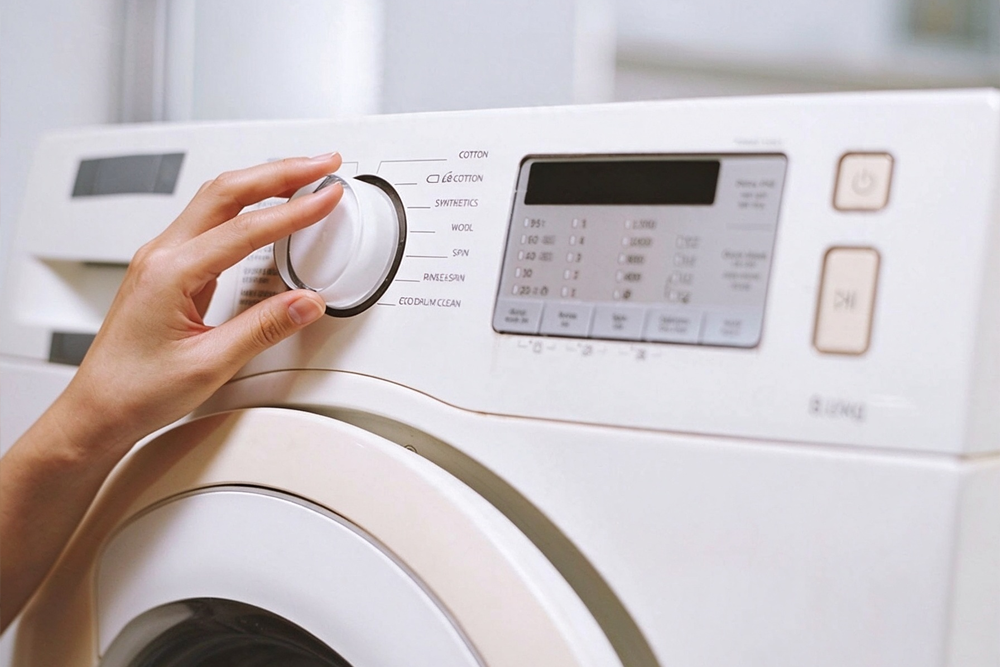
A useful rule of thumb is to load clothes loosely and leave roughly 6 inches of space between the top of the laundry and the top of the drum. So how full is too full? If items are packed in too tightly, they will not be cleaned properly and will come out wetter, which makes the dryer work harder and consume more energy.
Overloading also places strain on washer components such as the motor and suspension. This can result in costly repairs or even premature replacement.
Although it may be tempting to cram as much laundry as possible into one load, doing so is not recommended.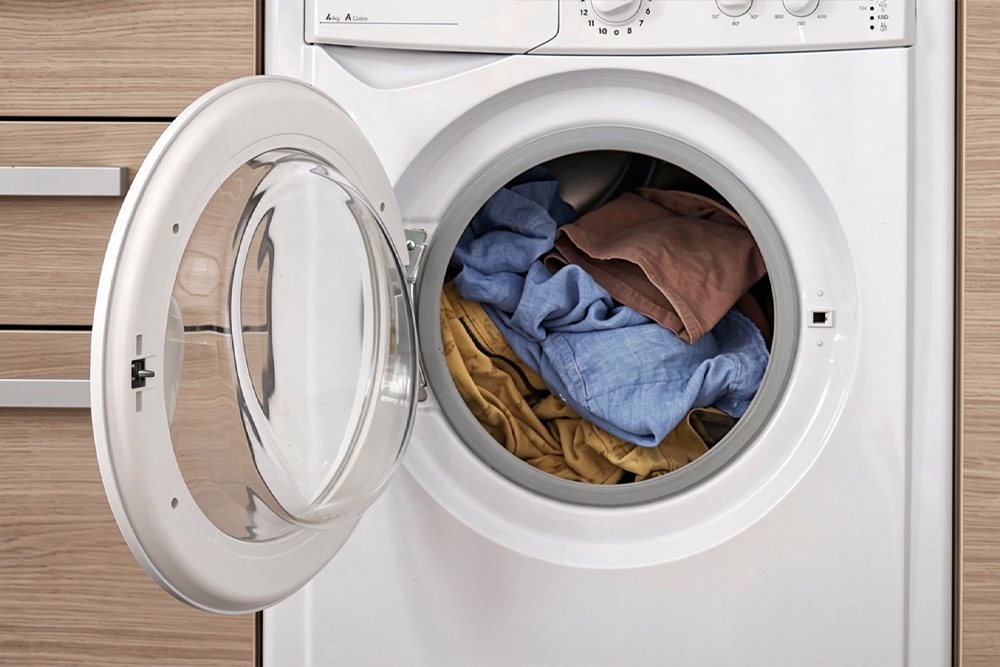
Because your washer handles a large amount of laundry, it is important to keep it clean and well maintained so it continues to operate efficiently. Over time, regular care can result in significant savings.
Inspect the drain hose: Periodically remove the drain hose and check it for lint or debris. A clogged hose can prevent proper drainage, which leaves clothes wetter and causes the dryer to consume more energy.
Clean the interior monthly: Use a dedicated washing machine cleaner to eliminate detergent residue. Too much detergent can lead to excessive suds, which may cause poor draining and higher energy use when drying clothes.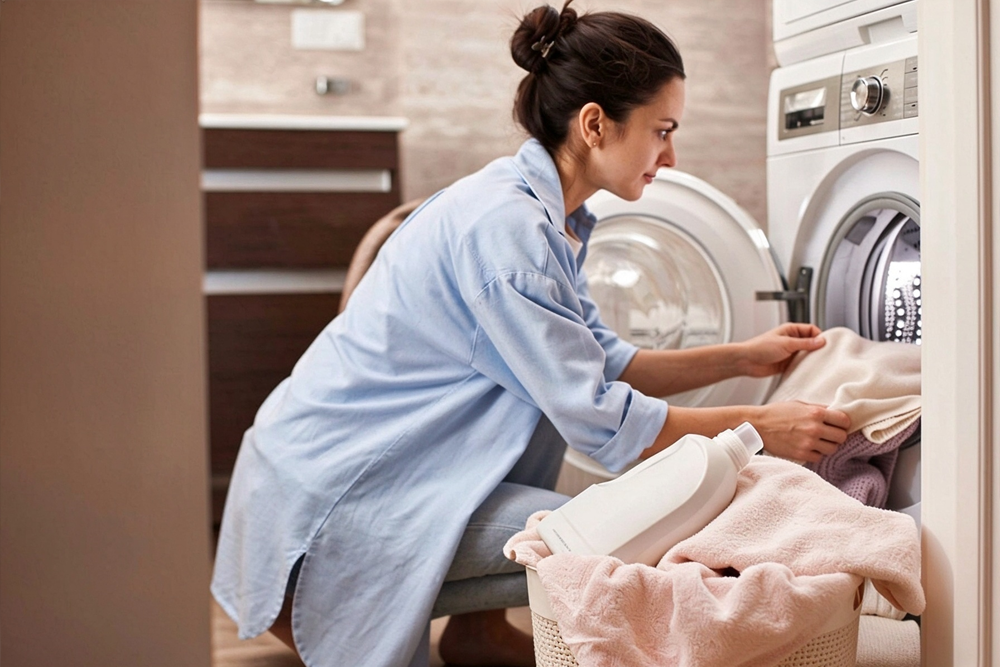
With more than twenty years of expertise in home appliance control, elecontro® is a professional manufacturer of washing machine controls that perfectly meet your individual requirements and preferences. elecontro®'s dynamic team of visionary engineers and designers continue to push the boundaries of home appliance control technology, ensuring we remain at the forefront of innovation.