Categories
Tips on using an oven: preheating and cooking guidelines.
An oven, a vital component in every kitchen, diligently aids in preparing delightful meals for you and your family. This guide aims to acquaint you with your oven and offer advice on achieving exceptional results consistently with this indispensable kitchen appliance.
Dec 21st,2024
812 Views
Step-by-Step Oven UsageThe method of using an oven varies based on its type and configuration, whether it's conventional, convection, gas, or electric. Factors such as the number of racks and various features also influence how you can utilize your oven for cooking meals and reheating leftovers.
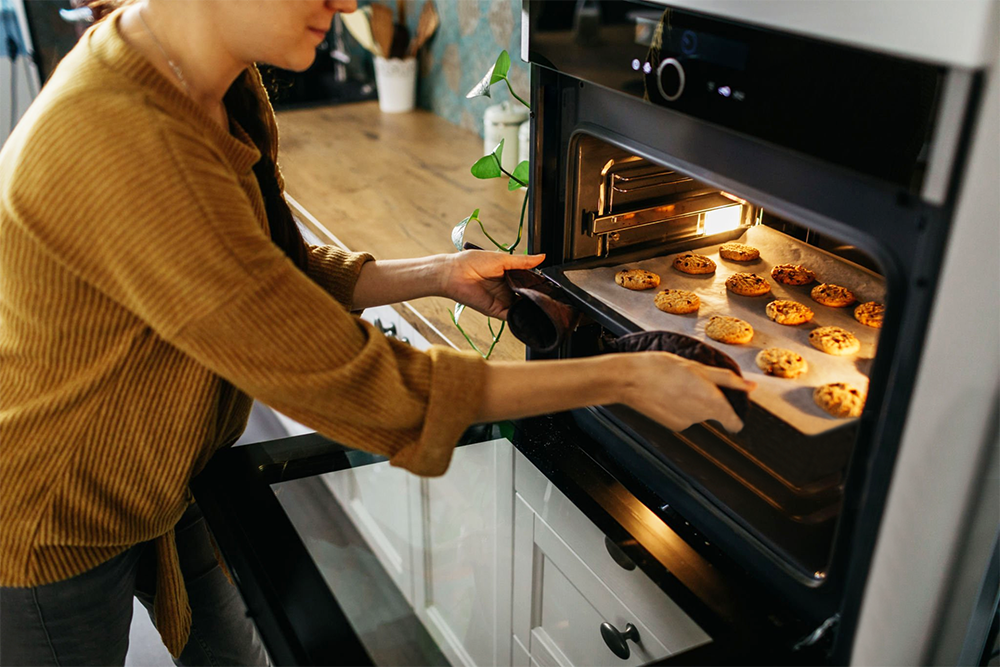
1. Identify the Type of Oven You PossessAre you aware of the kind of oven you own? Various types of ovens exist—conventional, convection, gas, and electric—each functioning differently. To guarantee consistently delicious meals, it's crucial to understand how your oven operates.
· Electric ovens
Electric ovens feature two heating elements, positioned at the top and bottom, and many come with a concealed bake element beneath the floor for easier clean-up of drips and spills. Be mindful that they might take longer to preheat, so plan accordingly when preparing your meal. Additionally, the heat from these ovens tends to be drier, which might necessitate adding steam for recipes requiring rising, such as homemade bread.
· Convection ovens
On the contrary, convection ovens incorporate a fan located at the back and a system that circulates hot air around the baking or roasting food. This ensures uniform browning and crisping across various racks. Remember, convection ovens often preheat and cook certain dishes faster, so it's important to adjust cooking times accordingly.
· Gas ovens
Gas ovens generally preheat faster than traditional electric ovens, resulting in shorter cooking times. Additionally, placing a baking stone at the bottom of the oven can aid in heat distribution.
· Conventional ovens
These ovens have two separate heating elements, the first is located on the bottom or floor of the oven, with another one on the top part of the oven cavity. These two elements radiate heat toward the center of the oven to cook the food. Most recipes that call for an oven assume you’ll be using a conventional oven.
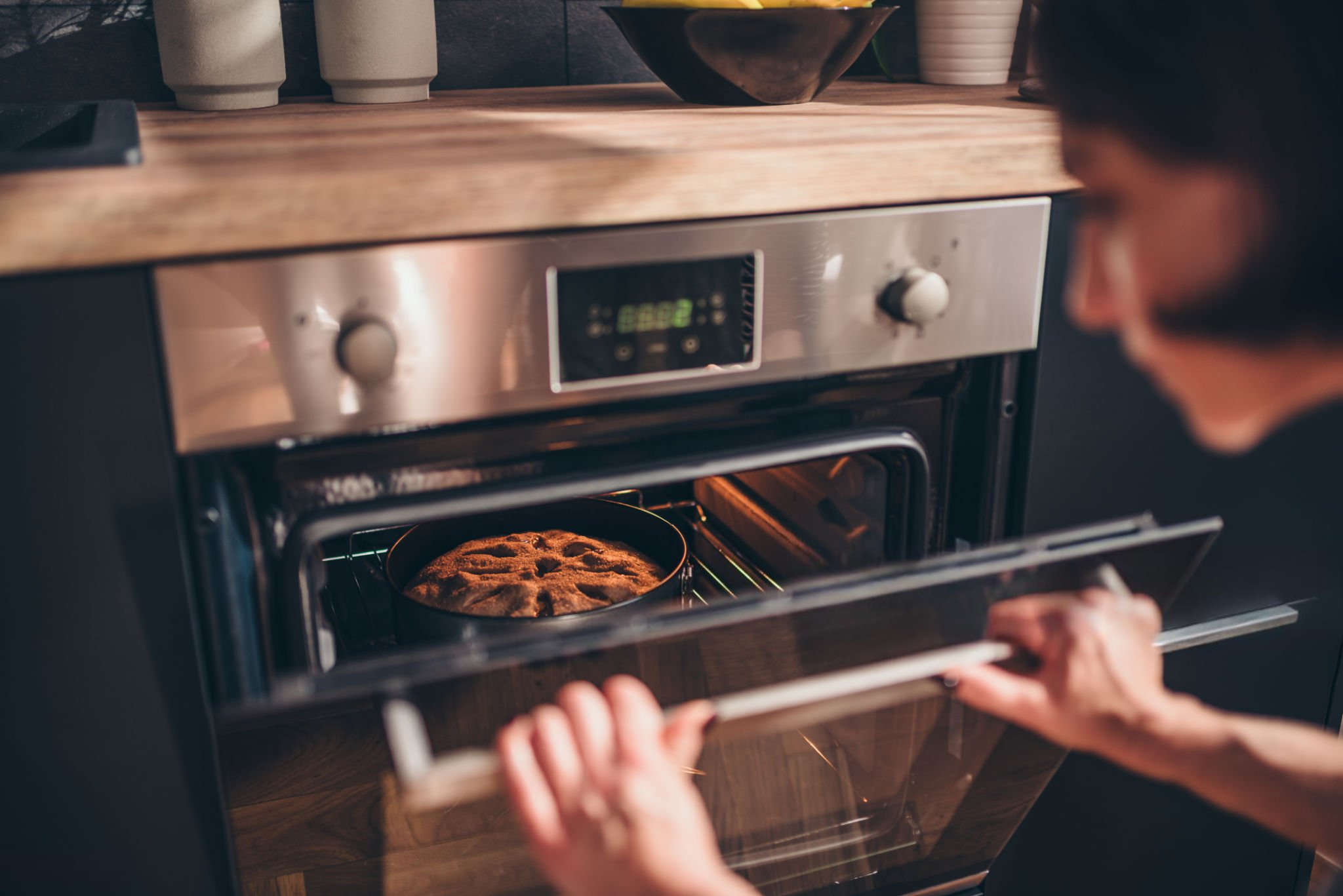
2. Position Your Oven Racks for Optimal Broiling, Baking, or RoastingDepending on your oven type and the dish you're preparing, adjusting the oven rack positions is crucial for achieving the best results. For convection ovens, use the lower rack for baking and roasting large meat cuts, the center for standard cuts, and the top rack for broiling. With electric ovens, unless specified in a recipe, the center rack is usually ideal. Consult your owner's manual for specific rack placement instructions.
If you're using a gas oven for broiling, you might have a broiler drawer at the bottom. However, for achieving a browner or crispier exterior within the oven cavity, position the rack higher. Remember, gas ovens may experience slight heat fluctuations, so rotate your dishes for even heat distribution and avoid blocking the heat to items on the upper rack.
3. Preheat the oven to the right temperature
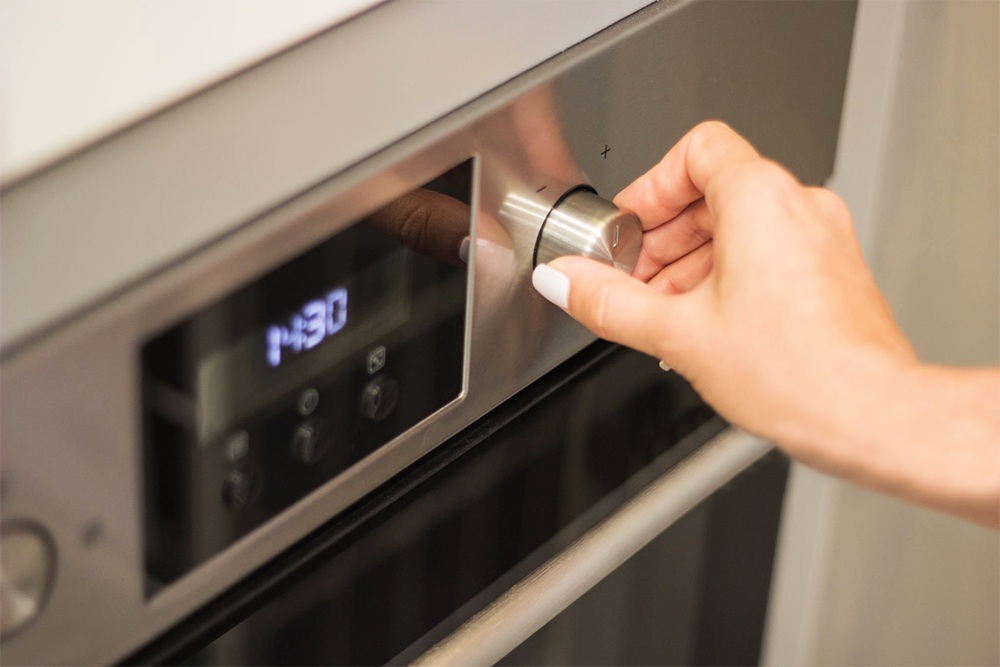
To preheat your oven, choose an oven setting such as “bake” or “broil” and use your oven’s control panel to adjust to the correct temperature. Allow time for proper preheating, and avoid opening the door so the heat doesn’t escape. For specific directions on preheating your oven, refer to the owner’s manual.
If you’re following a recipe with a specific temperature requirement, be mindful that convection ovens may need to be adjusted to account for heating differences. Generally, subtracting 25ºF from the recipe instructions will give you the temperature you should use, though this may vary based on your oven and the food you’re preparing.
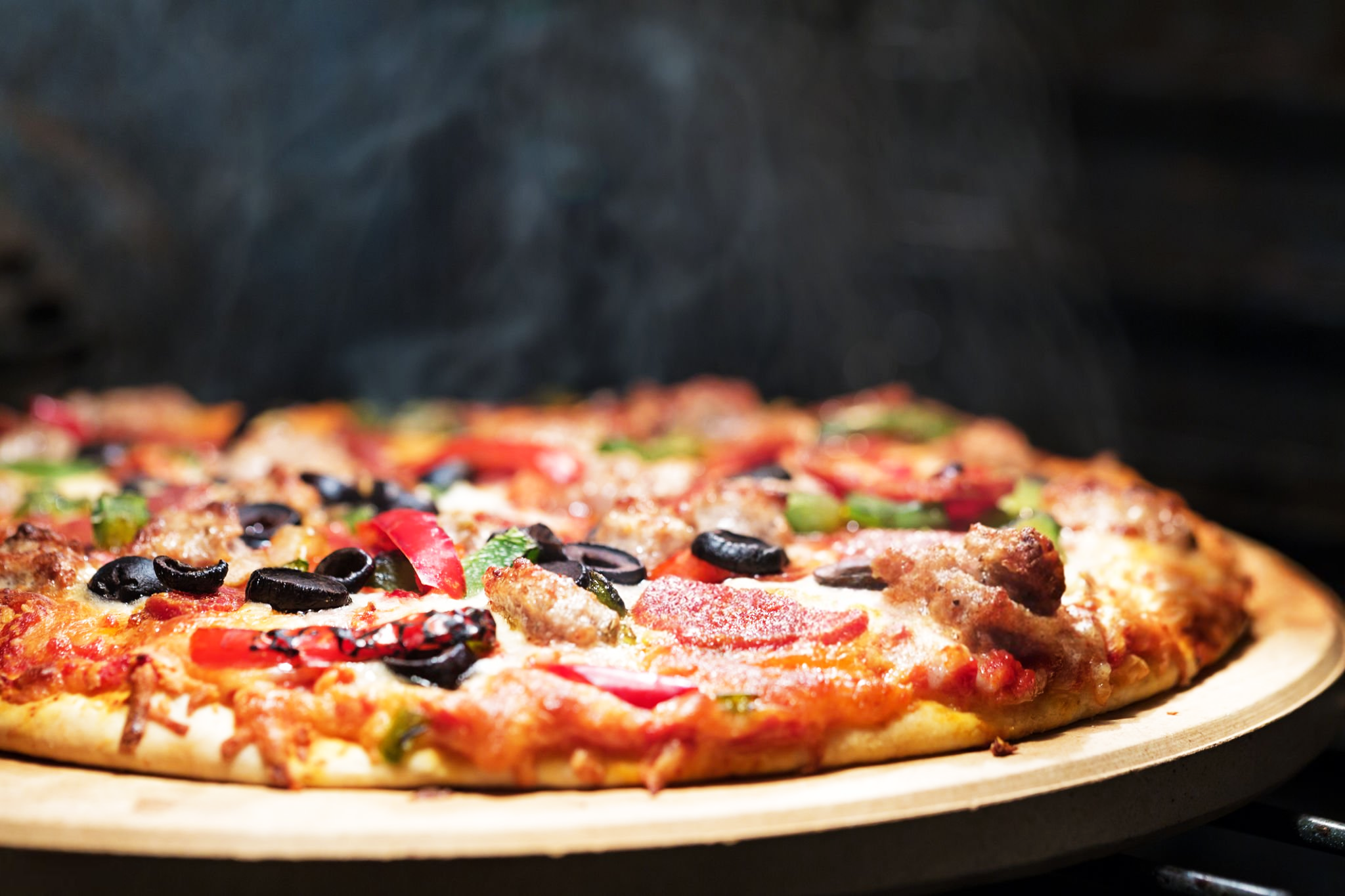
4. Keep an Eye on Your Oven-Cooked FoodSet a timer and frequently check on your food while it’s in the oven to ensure even cooking. If you notice uneven browning or varying shades in baked goods like muffins, it might be due to hotspots. To address this, rotate your food for consistent cooking.
Avoid overcrowding your oven to optimize its performance. If you need to cook multiple dishes, use both racks and arrange them in a staggered way to allow heat circulation. Instead of opening the oven door to check your food, use the oven window and an oven thermometer for monitoring.
5. Maintain Food Warmth in the Oven Until ServingCertain oven models offer a feature to keep food warm before serving. If your oven is older or lacks this feature, you can keep food warm by reducing the temperature to 200ºF and covering it with aluminum foil. For crispy or breaded items, use a cooling rack placed on a cookie sheet, ensuring they are in a single layer. To retain the dish's flavor and texture, avoid keeping it in the oven for longer than an hour.
6. Clean your oven regularly
Help keep your oven’s temperatures consistent by cleaning your oven on a regular basis. Clean up any food or liquid that falls to the oven floor, since leaving this in the oven could create smoke and overheat your oven while transfering unpleasant flavors to your food.
You can also use your oven’s self-cleaning feature (if available). Just remember to wipe the inside clean of any crumbs and debris after the oven is finished cleaning. If you don’t have an oven with a self-cleaning option, make a paste of baking soda and water and apply with a soft sponge. Use white vinegar to remove the paste.
What are the various settings available on an oven?
The settings on an oven can vary based on its design, fuel type, and additional features. Common oven settings often include options like Broil, Bake, Roast, Self Clean, and Preheat. Some ovens, particularly select models from brands like Whirlpool, may also offer more advanced controls such as a Keep Warm Setting and an Air Fry Mode. To gain a deeper understanding of different oven settings and obtain specific instructions for your oven, consult your owner’s manual.
What do the various symbols on an oven represent?
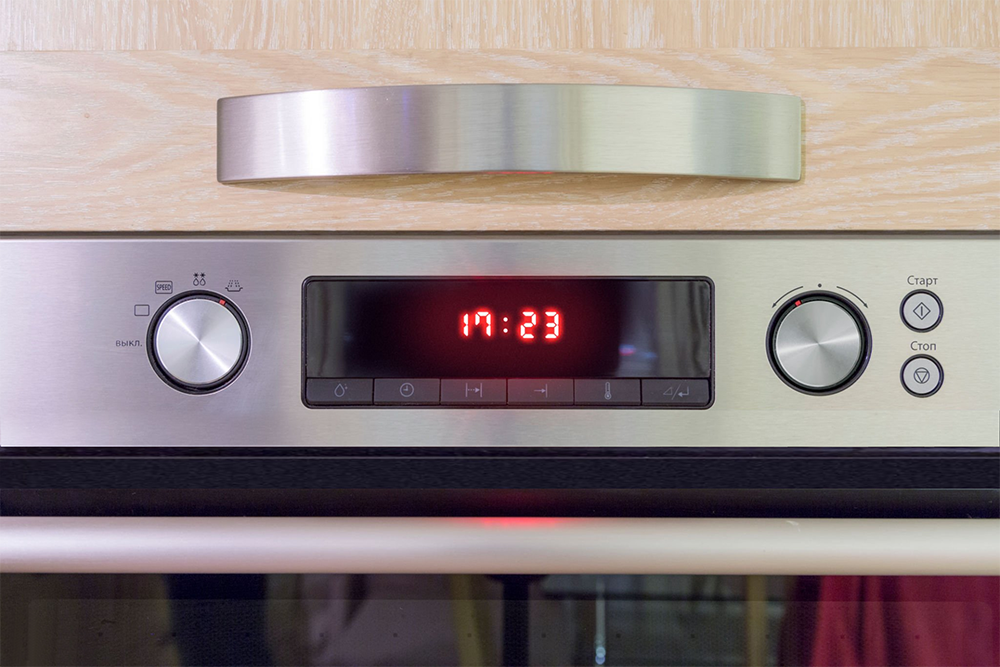
Oven symbols serve as a handy shorthand to indicate which settings are active, displayed on the control panel to show modes like high heat, bottom heat, broiling, keep warm, and even self-cleaning lock or unlock status. Due to the variety of oven types and configurations, the settings and symbols can differ considerably. Always consult your owner’s manual for the precise settings and symbols applicable to your oven model.
Selected oven controller developed by elecontro®
A high-quality oven controller can allow your machine to control the temperature more accurately, have more function settings, and extend the service life.
elecontro® has specialized in kitchen appliance control for over 20 years, offering a range of functional oven timers and customizing them to suit your specific needs and preferences. Our team of innovative engineers and designers remains at the cutting edge of kitchen appliance control technology.