Each time the stove is used for cooking, substances such as grease, moisture, heat, carbon monoxide, food particles, nitrogen dioxide, formaldehyde, odors, and other hazardous byproducts may be released into the surrounding air.
These substances may be present in the air you breathe while inside your home.
A range hood is designed to clean kitchen air. It removes contaminated, harmful air and replaces it with air that is safer to breathe.
If this alone makes you want to make an additional purchase, you will soon discover that many different types of range hoods are available on the market.
How can you determine which one is the best option for you? Before buying a new stainless steel range hood, consider the eight features described here.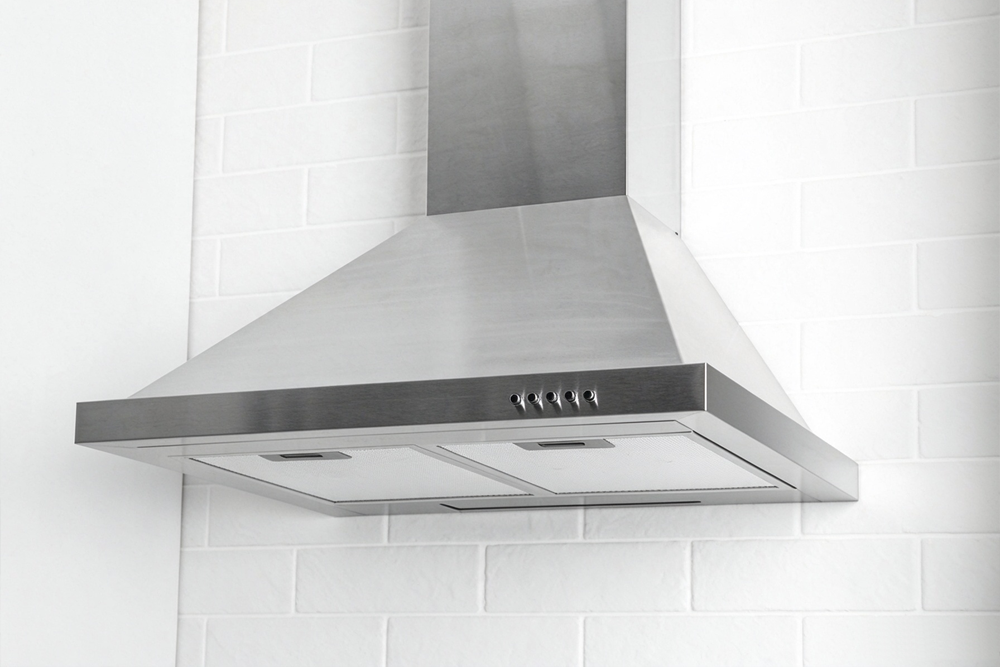
A stainless steel range hood should be powerful enough to draw out the smoke, harmful fumes, and odors produced during cooking—not only from a single dish, but from the entire meal. Its width should match that of the range, and its depth should be sufficient to cover the full burner area. The suction capacity should also be appropriate for the size of the unit. The following guidelines can serve as a useful reference:
· A 30-inch range hood should provide 600 CFM of suction.
· A 36-inch range hood should provide 600 CFM of suction.
· A 48-inch range hood should provide 1,000 CFM of suction.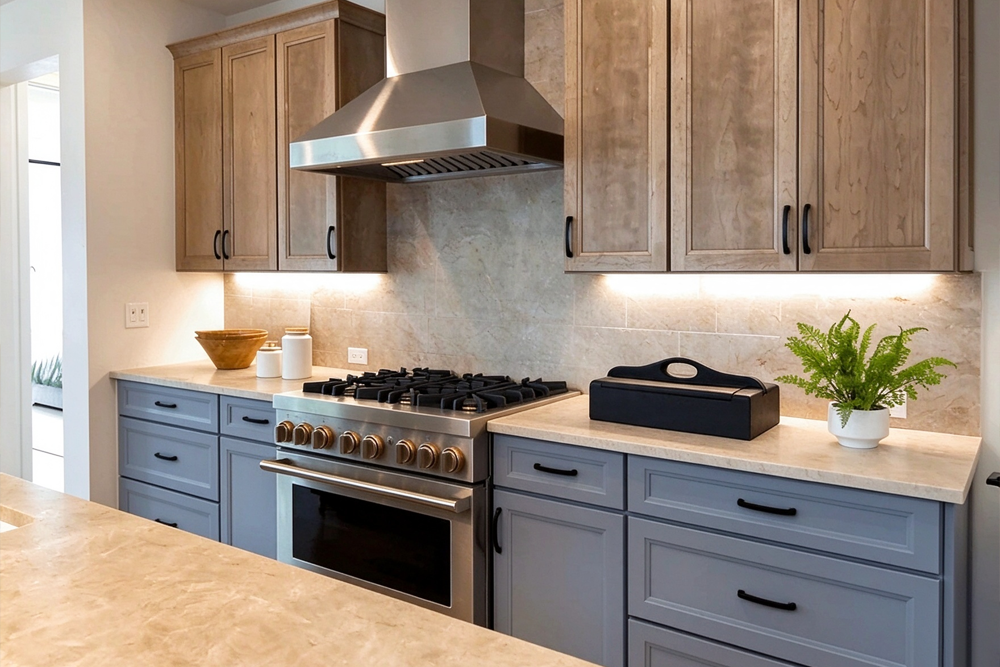
Choosing lower fan speeds whenever conditions allow can reduce household energy consumption, which benefits both the user and the environment. A stainless steel range hood with multiple speed settings makes this possible by letting you switch among low, medium, and high suction levels according to what is happening in the kitchen.
Having this flexibility is always a practical advantage, since it allows the hood’s extraction strength to be matched to the cooking task at hand.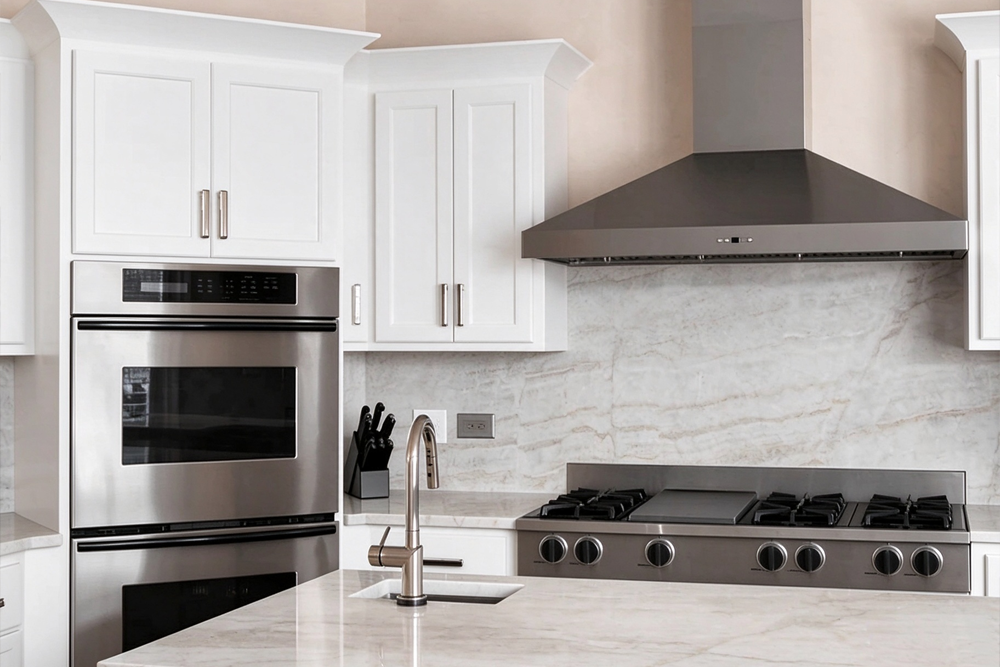
LED lights are among the most energy-efficient choices available today, and they are long-lasting as well. They produce ample brightness while consuming very little power. It is also worth noting that they look attractive.
From a practical standpoint, adding LED lighting to a range hood gives you clearer visibility while cooking.
Many people also use this light as a nightlight to illuminate the kitchen throughout the night.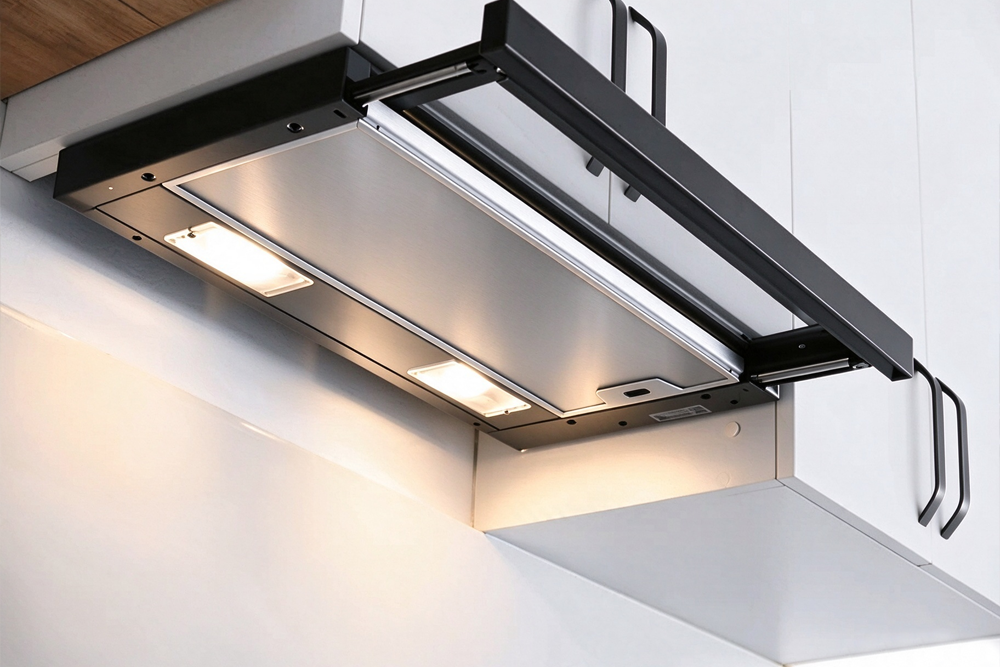
A stainless steel range hood should enable you to converse and socialize while cooking without needing to raise your voice to be heard. Not all range hoods, however, make quiet operation a priority.
Aim for a range hood with a noise rating of 67 decibels.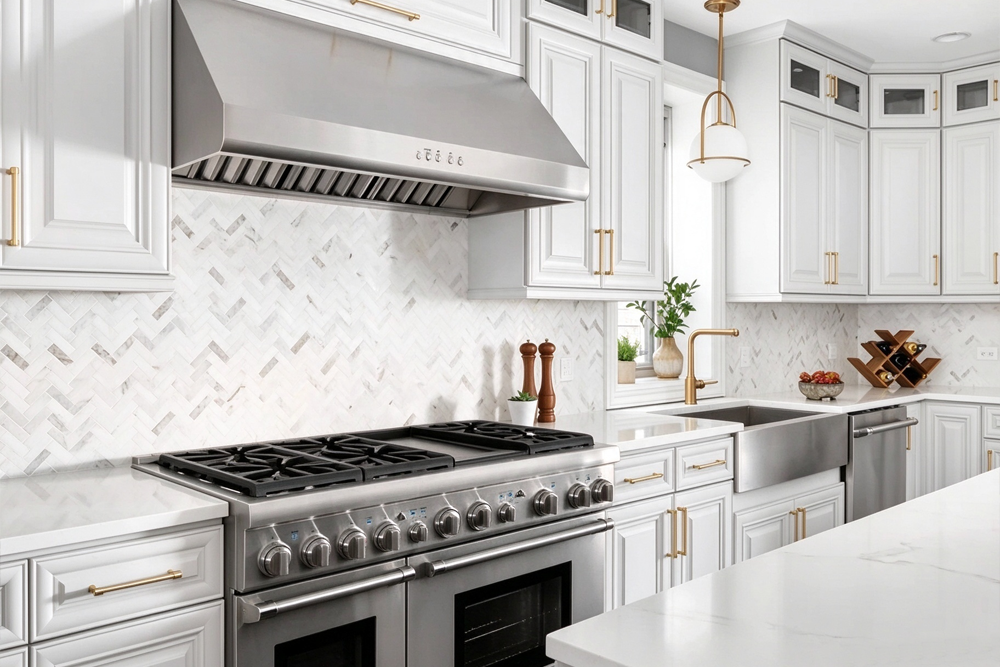
A range hood with push‑button controls is straightforward to operate and lets you make use of its functions as soon as you need them. If you step away from a skillet and forget that a burner is still on—something that does happen—you can quickly find yourself in a smoky, unpleasant situation.
You do not have time to work through multiple buttons and figure out how to switch the hood on. Instead, you need a fast way to start it so that relief comes as quickly as possible.
Before purchasing, choose a range hood that benefits you rather than making operation more complicated. It should add value to your daily routine, not cause frustration.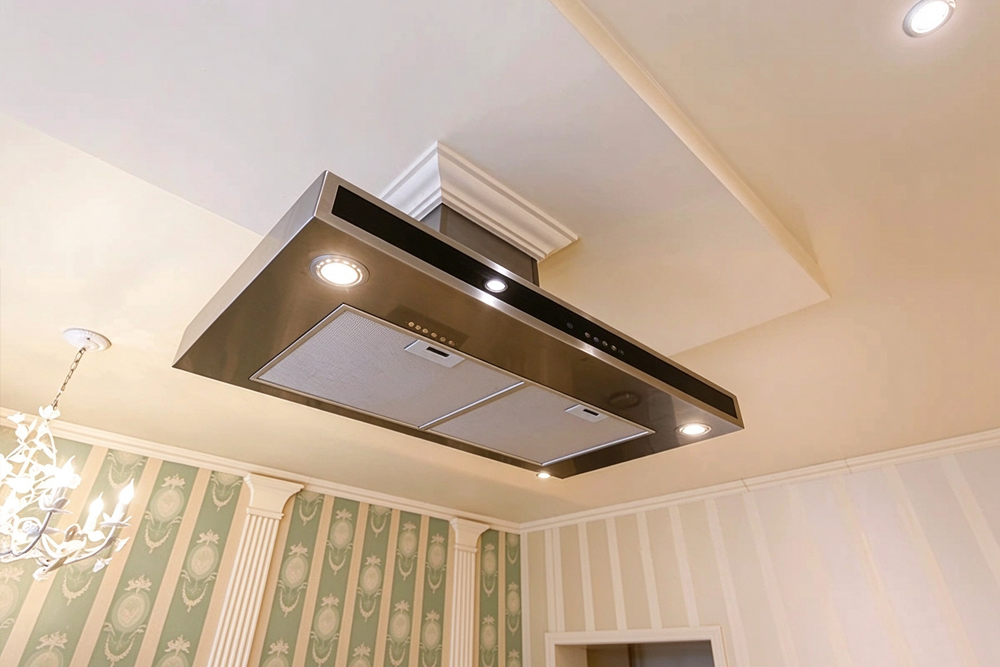
When air is drawn into the unit, it passes through the baffle filters, where it is cleaned before being returned. Durable commercial‑style filters made of 430‑grade stainless steel provide maximum airflow and effective grease filtration.
These filters can be removed and cleaned with ease, helping them maintain efficient operation over time.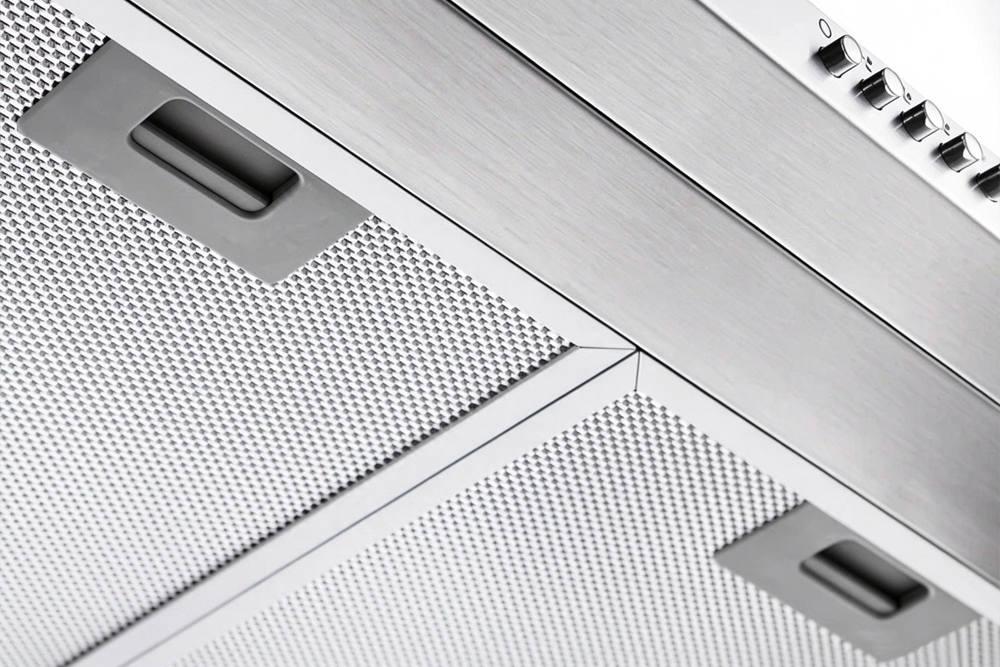
The stainless steel surface of a range hood is more than a cosmetic detail; it is a feature worth considering. This material is durable and long-lasting, and it is easy to keep clean, bright, and polished.
A stainless steel range hood can remain an attractive focal point in the kitchen and coordinate well with existing appliances. It also adapts readily when design styles change, looking appropriate in traditional, modern, contemporary, farmhouse, industrial, or country kitchens.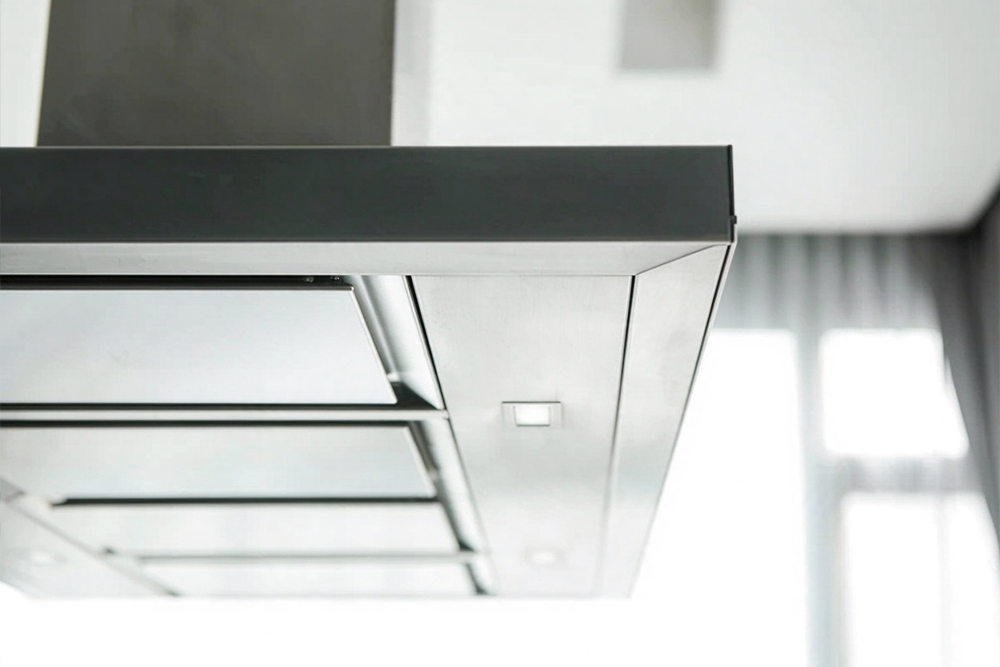
Range hoods are generally classified as either ducted or ductless. A ducted range hood draws out unwanted air and carries it through a ductwork system that leads outdoors. Not every home has this setup, and installing such ductwork can be a considerable undertaking. A ductless range hood, by contrast, filters the air and returns it to the kitchen.
Both approaches work well, but it is always useful to know that you can switch between ductless and ducted ventilation later if you wish to do so. That is the advantage of choosing a range hood that can be converted afterward.
A stainless steel range hood deserves a place in every kitchen. If you do not have one yet—or you are looking to upgrade—consider a range hood with the features described above.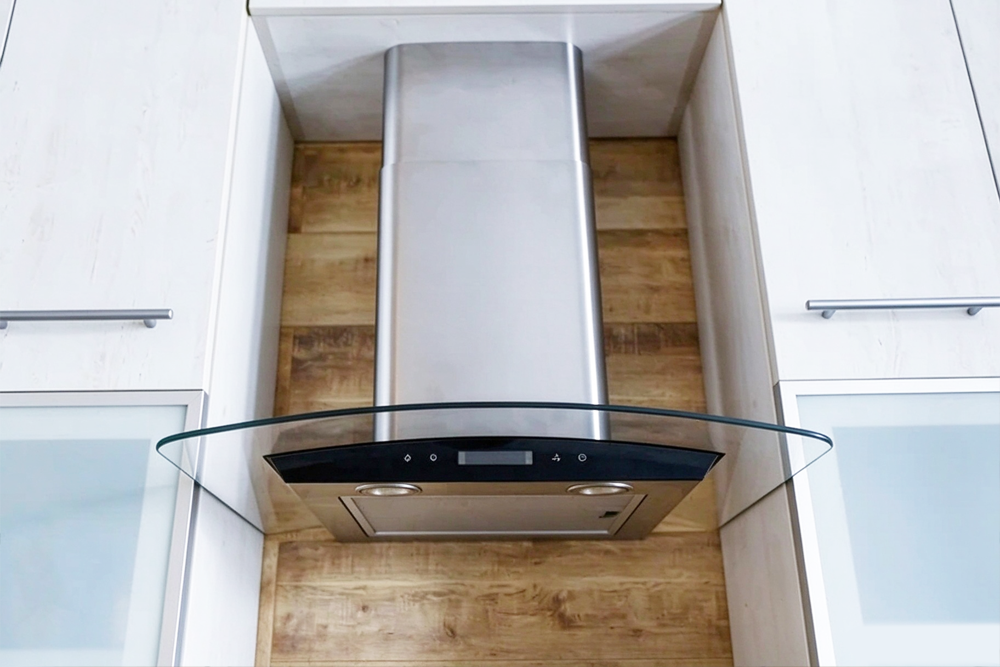
elecontro®'s range hood controller not only improves your cooking comfort but also maintains the pristine kitchen environment through detailed control of air flow and extraction rate. With more feature settings tailored to your cooking habits, you'll experience unparalleled performance and longer service life from your range hood.