Understanding how to measure vent hood dimensions is an essential part of selecting and installing the right model.
To effectively catch smoke and cooking odours from the dishes below, the ideal range hood should match the width of the cooking surface. Most ranges and vent hoods are available in 30-, 36-, 42-, and 48-inch widths.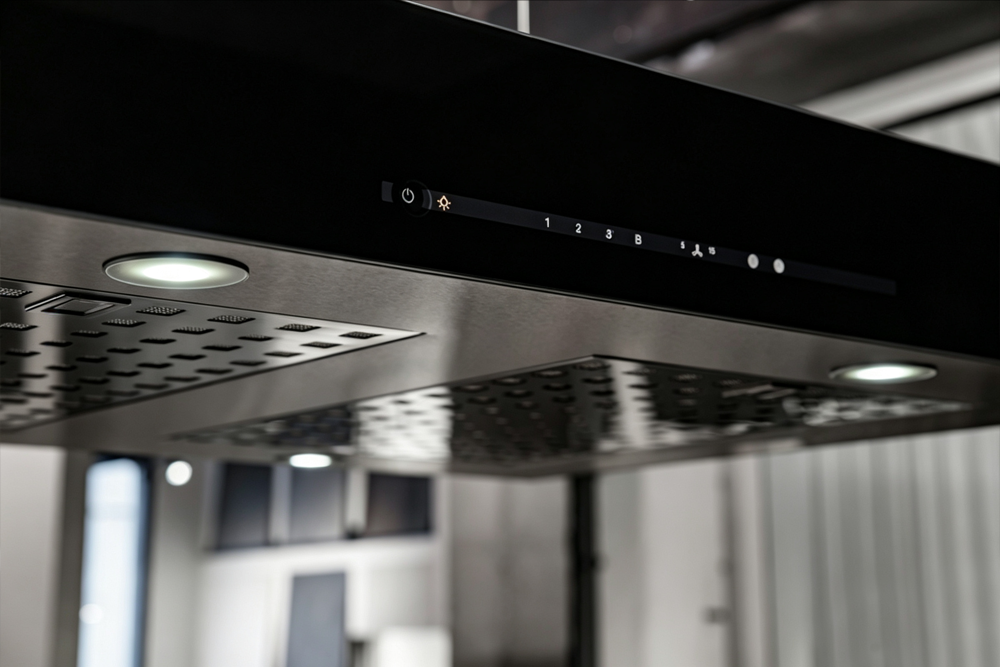
Not every range hood needs to extend all the way to the ceiling. Some models use outdoor exhaust, moving air through ducting installed in a wall, ceiling, or floor to release it outside the home. Others rely on recirculation, filtering the air as it passes through the hood and then sending it back into the kitchen. To determine which approach suits your kitchen layout, it helps to weigh the differences between ducted and ductless range hoods.
Style-focused models such as canopy and downdraft hoods generally vent to the outside, whereas under-cabinet and microwave hood combinations are usually built for recirculation. Before buying a range hood, consult the owner’s manual to understand its venting method and whether it is convertible. In some cases, a separate conversion kit can be purchased to change an external vent into a recirculating one.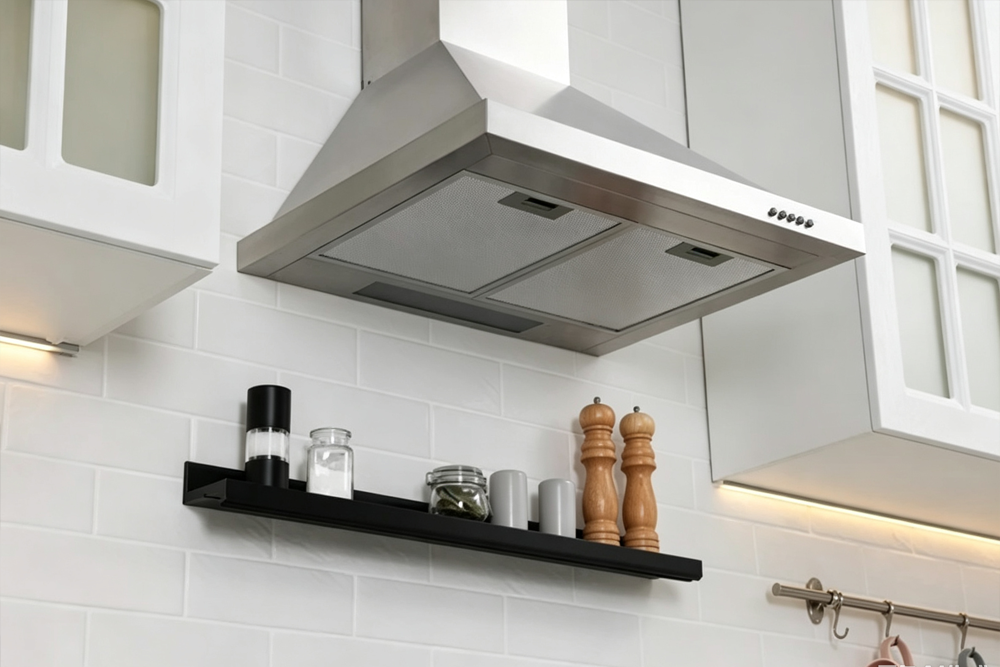
For optimal ventilation, a range hood must be deep enough to span both the rear and front burners. In most installations, a depth of roughly 18 to 22 inches is sufficient for full coverage. Downdraft vents, by contrast, generally need to be fitted into a base cabinet that is at least 24 inches deep.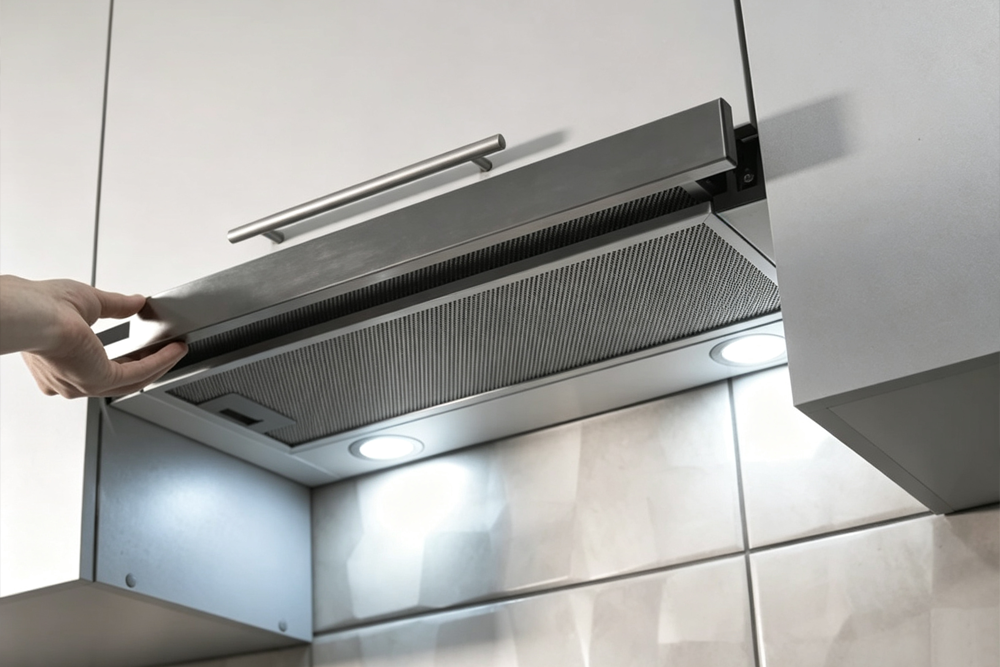
Most vent hoods come with several fan speed settings, and as the fan speed goes up, the CFM value rises accordingly. CFM, short for cubic feet per minute, measures a range hood’s venting strength—also called airflow capacity. It shows how much air a vent hood can take in during one minute. The higher the CFM number, the stronger the ventilation.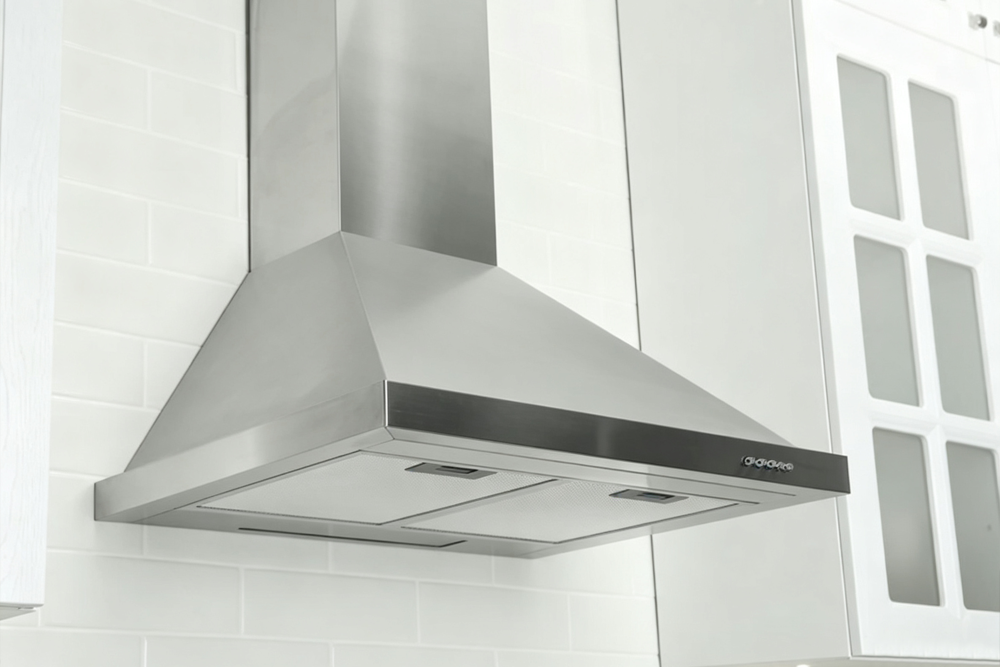
Good ventilation is essential for keeping a kitchen clean and for clearing the air of smoke, odours, and grease. Depending on where you live, a vent hood may be required by building codes. Even when it is not mandatory, most kitchens can benefit from having a range hood.
Beyond the traditional range hood mounted above the cooking surface, there are other solutions. These include microwave-hood combinations that serve two purposes at once, as well as downdraft ventilation systems that rise from the countertop when needed.
If you want to combine style with function, you might consider a microwave with built-in recirculating ventilation. When space is tight, a low-profile microwave hood combination is a two-in-one option that fits in the same area as an under-cabinet hood. As with range hoods, remember to match the size of your venting solution to your cooktop size.
If you dislike the look of a hood or your cooking surface is installed in an island, downdraft ventilation is another choice that helps maintain clean lines in open-concept kitchens. Just make sure your downdraft vent is rated to keep up with your cooktop. To learn more, see this guide on the different types of range hoods.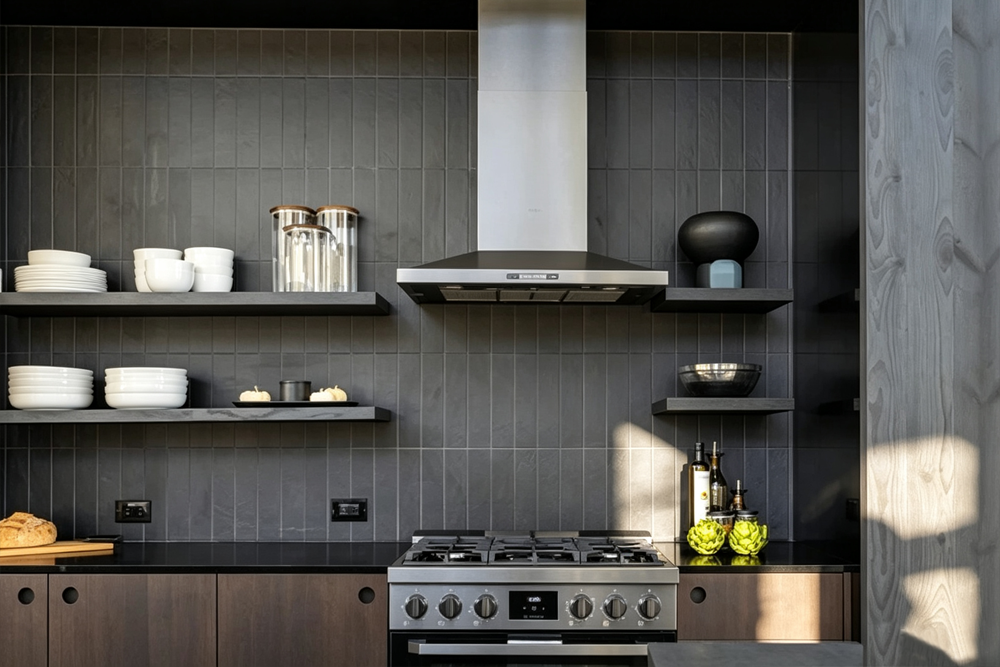
elecontro®'s range hood controller not only improves your cooking comfort but also maintains the pristine kitchen environment through detailed control of air flow and extraction rate. With more feature settings tailored to your cooking habits, you'll experience unparalleled performance and longer service life from your range hood.