Categories
Key Considerations When Buying a New Oven in the New Year
Are you a homeowner in the market for a new oven? With countless options available, finding the perfect one to meet your needs can feel daunting. That’s why we’re here to help. We’ve created a detailed guide to simplify your decision-making process.
Mar 5th,2025
493 Views
Are you a homeowner in the market for a new oven? With countless options available, finding the perfect one to meet your needs can feel daunting. That’s why we’re here to help. We’ve created a detailed guide to simplify your decision-making process. In this guide, we’ll explore five key questions to consider when choosing an oven. From deciding between freestanding and built-in models to determining whether gas or electric is the better choice for you, we’ll cover it all. We’ll also address size considerations, compare digital controls to traditional knobs, and point out essential features to look for. By the end, you’ll have the knowledge and confidence to select the perfect oven for your home.
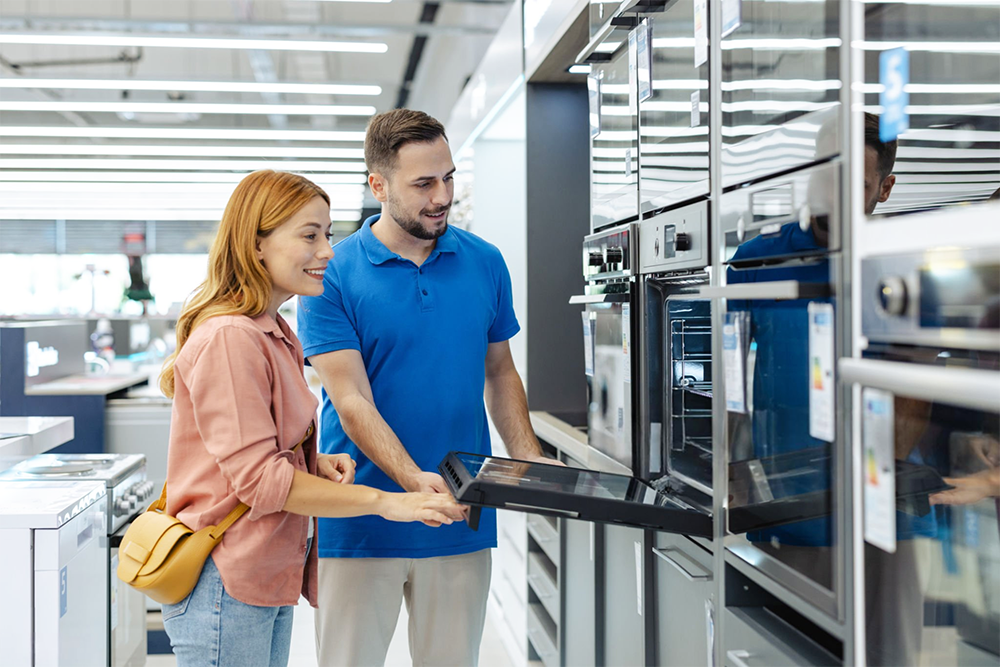
1. Freestanding or Built-In Oven: Which Should I Choose?
When shopping for a new oven, one of the first decisions you’ll face is whether to go with a freestanding or built-in model. Each option comes with its own set of pros and cons, so it’s essential to evaluate them based on your specific needs and preferences.
Freestanding ovens are standalone units that can be placed anywhere in your kitchen. They are typically more affordable and easier to install, as they don’t require modifications to your cabinetry. Available in various sizes, styles, and fuel types, freestanding ovens offer flexibility to suit different cooking needs.
However, freestanding ovens do have some drawbacks. They often have smaller capacities compared to built-in models, which might be a limitation if you frequently cook for large groups or entertain. Additionally, their design may not always align with your kitchen’s aesthetic, especially if you’re aiming for a cohesive look.
Built-in ovens, in contrast, are designed to integrate seamlessly into your kitchen cabinetry, offering a sleek and modern appearance. They generally provide larger cooking capacities, making them a great choice for those who regularly prepare meals for bigger gatherings.
That said, built-in ovens can be more complex to install and may require professional assistance. They are also typically more expensive than freestanding models. If you plan to move or remodel your kitchen in the future, built-in ovens may not be as easy to relocate or adapt as freestanding ones.
When deciding between freestanding and built-in ovens, consider factors such as your cooking habits, kitchen layout, budget, and design preferences. Ultimately, the choice depends on what best fits your lifestyle and kitchen requirements.
2. Gas or Electric Oven: Which is Right for You?
When purchasing a new oven, one of the most important decisions is whether to choose a gas or electric model. Here are some key factors to help you make the right choice.
Gas vs. Electric Ovens
Gas and electric ovens each have distinct advantages. Gas ovens provide instant heat and precise temperature control, making them a popular choice for professional chefs and baking enthusiasts. Electric ovens, on the other hand, deliver even heat distribution and consistent cooking results, making them ideal for everyday use.
Energy Efficiency and Cost
Gas ovens are typically more energy-efficient than electric models, which can lead to lower energy bills over time. However, electric ovens often have a lower upfront cost. It’s important to weigh the initial investment against long-term savings to determine the best option for your budget.
Matching Fuel Type to Your Cooking Style
Consider your cooking habits and preferences. If you frequently bake items like pastries or bread that require precise temperature control, a gas oven may be the better choice. Alternatively, if you prefer a sleek, modern look and often use the stovetop, an electric oven with a smooth cooktop might be more suitable.
With a variety of gas and electric ovens available, you’re sure to find one that fits your cooking style and budget. Our expert team is here to guide you in selecting the perfect oven to meet your needs.
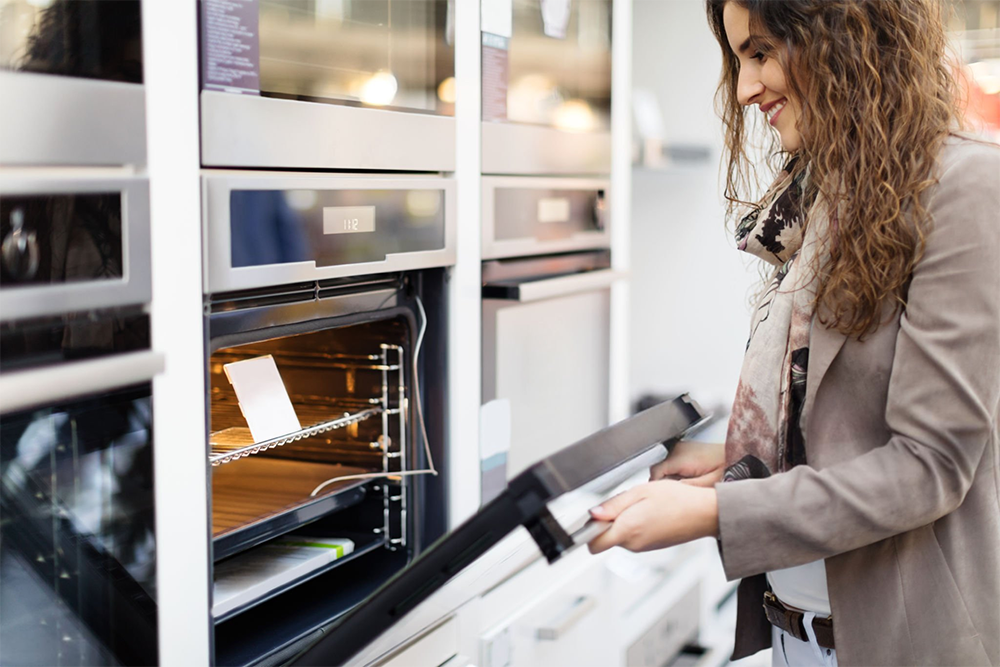
3. What Size Oven is Right for You?
When selecting a new oven, size is a critical factor to ensure it fits perfectly into your kitchen. Here are some important considerations to help you make the right choice:
Measuring Your Space
Before exploring oven options, accurately measure the area where the oven will be installed. Take note of the width, depth, and height to determine the maximum size that will fit comfortably in your kitchen.
Single vs. Double Ovens
Decide whether a single or double oven best suits your needs. Single ovens are ideal for smaller kitchens or those who cook less frequently. If you often entertain or have a large family, a double oven provides additional cooking space and flexibility.
Oven Capacity
Oven capacity refers to the available cooking space. Consider your family size, cooking habits, and the types of meals you typically prepare. If you frequently cook large meals or bake multiple dishes at once, a larger capacity oven may be more suitable.
With a variety of oven sizes and capacities available, you’re sure to find one that meets your specific needs. Our knowledgeable team is here to help you choose the perfect oven that seamlessly integrates into your kitchen, ensuring an enhanced cooking experience.
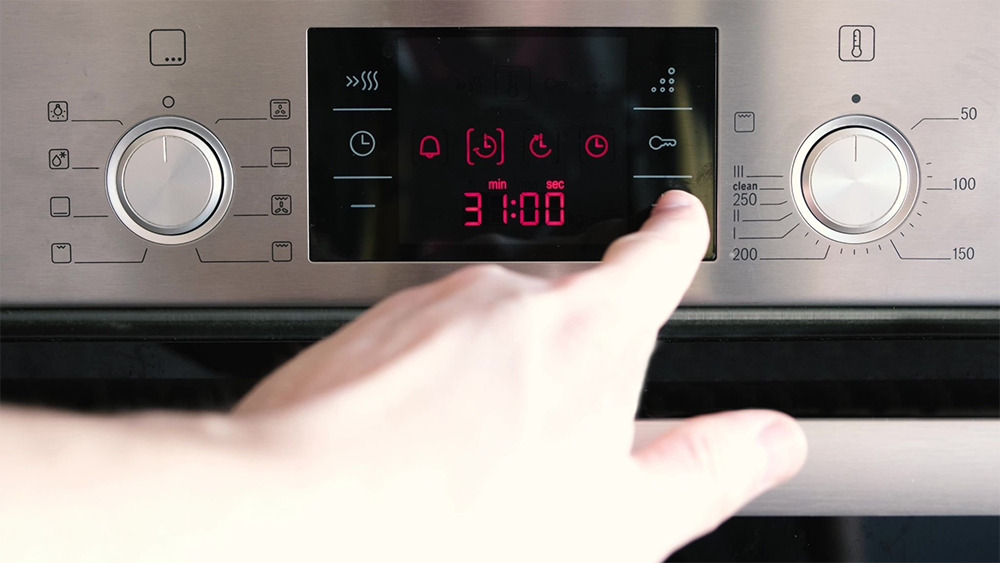
4. Digital Controls or Traditional Knobs: Which Should You Choose?When selecting a new oven, one of the key decisions is whether to opt for digital controls or traditional knobs. Each option has its own advantages, so it’s essential to evaluate them based on your cooking style and personal preferences.Benefits of Digital Controls· Precision: Digital controls enable you to set precise temperatures and cooking times, ensuring consistent results. This is particularly helpful for tasks like baking or roasting.· Convenience: You can program your oven to start and stop cooking at specific times, allowing you to come home to a freshly prepared meal.· Advanced Features: Many digital ovens come with additional functions such as convection cooking, steam settings, and pre-programmed recipes, helping you experiment with new cooking methods.· Smart Connectivity: Some digital ovens can connect to your home Wi-Fi, enabling remote monitoring and control via a smartphone or tablet.Advantages of Traditional Knob Controls· Simplicity: Knobs are straightforward to use—simply turn to adjust the temperature or setting. They’re perfect for those who prefer a traditional, no-fuss approach.· Durability: Mechanical knobs are less likely to malfunction compared to electronic digital controls.· Affordability: Ovens with knob controls are typically more budget-friendly than those with digital interfaces.Making the Right ChoiceThe decision between digital and knob controls ultimately comes down to your priorities. If you value precision, advanced features, and smart technology, digital controls may be the better option. On the other hand, if simplicity, durability, and cost are more important to you, traditional knobs might be the ideal choice. Consider your cooking habits, lifestyle, and comfort with technology to determine the best fit for your needs.Selected Oven Controller Developed by elecontro®A high-quality oven controller can enhance your machine’s ability to control temperature more accurately, offer more function settings, and extend its service life.
5. What Features Should You Prioritize?
When buying a new oven, it’s essential to consider the features that will improve your cooking experience and make the process more convenient. Here are some key features to look for:
Features to Enhance Your Cooking Experience
· Convection Cooking: Look for an oven with convection capabilities, which circulates hot air for faster, more even cooking. This feature is especially useful for baking and roasting.
· Adjustable Broil: The ability to control broiling temperatures allows you to achieve perfect browning and caramelization for a variety of dishes.
· Self-Cleaning: A self-cleaning oven can save you time and effort by reducing the need for manual scrubbing.
Features to Simplify Your Cooking Process
· Programmable Settings: Choose an oven with programmable settings that let you preset cooking times and temperatures. This is ideal for busy individuals who want meals ready when they arrive home.
· Dual Fuel: If you prefer the precision of gas cooking on the stovetop but want the consistency of electric baking, a dual fuel oven combines the best of both worlds.
Prioritizing Features Based on Your Needs
Consider your cooking habits and priorities when selecting features. For example, if you bake often, convection cooking and precise temperature control may be top priorities. If you frequently prepare large meals, an oven with ample space, multiple racks, and a warming drawer might be more important.
Additionally, keep your budget in mind. While it’s tempting to opt for all the latest features, focus on those that align with your specific needs and preferences.
Choosing the right oven can be overwhelming due to the variety of designs and features available. This guide highlights five key considerations, such as fuel type, capacity, and maintenance. However, sometimes a simple repair can be more cost-effective than a full replacement. Before investing in a new model, explore repair options to address any existing issues without the expense of a new purchase.
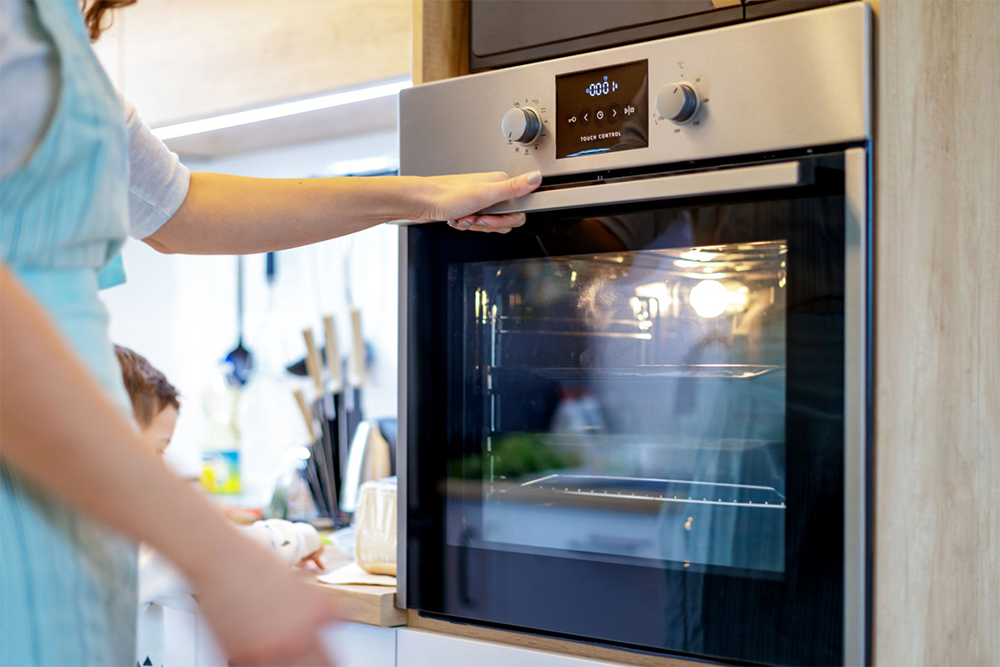
With over 20 years of expertise in kitchen appliance control, elecontro® provides a range of functional oven timers tailored to meet your specific needs and preferences. Our team of innovative engineers and designers is dedicated to staying at the forefront of kitchen appliance control technology, ensuring you receive the best solutions for your cooking experience.